


Listen now on Apple, Spotify or YouTube
In This Edition,
What’s behind the Xbox reset?
Summer Game Fest media boost
And meet our new sister publication
Hello there.
We’re fresh from Summer Game Fest. And what a week. There were big blockbusters, excellent looking new IP, shock reveals and surprise announcements. It didn’t just get gamers excited, but us in the industry, too. Video games are back!
Wait, scrap that. Sorry. They’re not again.
Just as Nintendo closed Summer Game Fest with its Zelda teaser, Ubisoft announced nearly 380 job cuts and the closure of multiple studios. And this entire week has been dominated by Xbox’s plans to close or sell-off some of its teams.
Unfortunately, both companies need to focus, and this is what focus can look like.
In today’s The Game Business Show, we dive into the situation at Xbox, we look at some of the positive data coming out of Summer Game Fest, and Lucy James joins us on the Show to discuss her new newsletter, lookingfor.game.
Here we go.
Xbox’s Game Pass miss makes Asha’s reset necessary
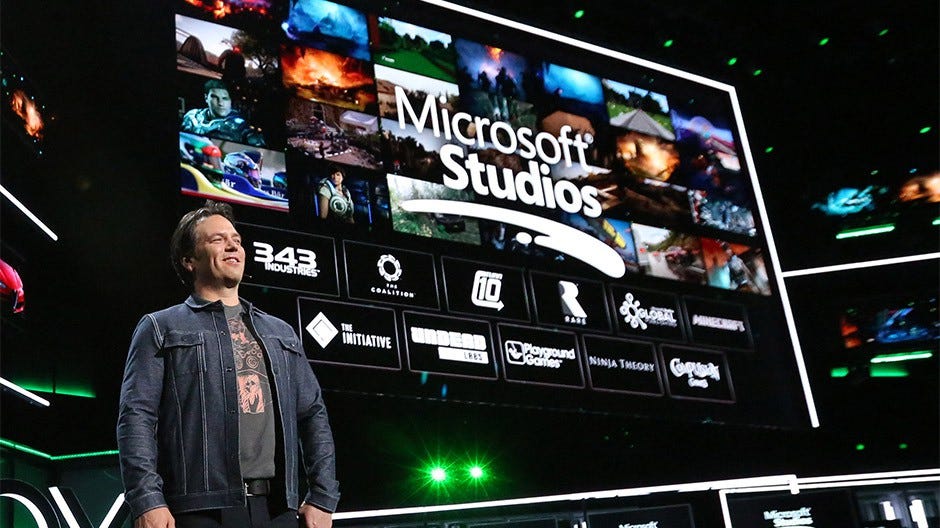
What we’re seeing unfold at Xbox this week is an admission it got it very wrong.
Whenever one company buys another, my job is to explain how it fits a strategy. Nintendo bought Dynamo Pictures because it wants to expand its IP outside of games. Sony picked up Bungie because it wants a live-service business. Take-Two acquired Zynga because it wanted a stronger presence in mobile.
You might not agree with the strategy, of course. But from a company perspective, it’s about setting a goal and working out what you need to achieve it.
Where I get concerned is when the acquisitions appear frenzied or reckless. When you have to squint to see how they fit with the overall ambition.
So let’s look at Xbox’s spending spree, which began with numerous acquisitions in 2018, and concluded with Activision Blizzard in 2023.
Xbox bought these companies for a few strategic reasons. The first (and biggest) was about Game Pass. Third-party publishers were not putting new games into the subscription service, so Xbox needed to do it itself. In addition to this, it wanted to establish a mobile business, grow its PC presence and grow game streaming. All of this required games. Lots of them.
Now, I had opinions on this strategy, as regular readers will know. I believed Game Pass had a ceiling on it. It would appeal to hardcore players, but most gamers only play one or two new games a year, so why would they subscribe to a service with hundreds of titles in it?
I wasn’t the only one to question the approach. Even internally at Xbox, there were arguments around Game Pass. I remember speaking to one Bethesda leader just before Starfield launched, who said he felt like “the Joker in The Dark Knight setting fire to all the money”.
But regardless of the opinions, the Xbox leadership team, and Microsoft overall, believed in the plan.
And so, Xbox bought studios. And many of them seemed to fit, at least at the start. Playground Games was responsible for one of the company’s best-selling games in Forza Horizon, so it made sense to bring that in house. It picked up Obsidian and Ninja Theory, two good studios that had the potential to be great ones. Both teams would add strong RPG and action adventure expertise to the business.
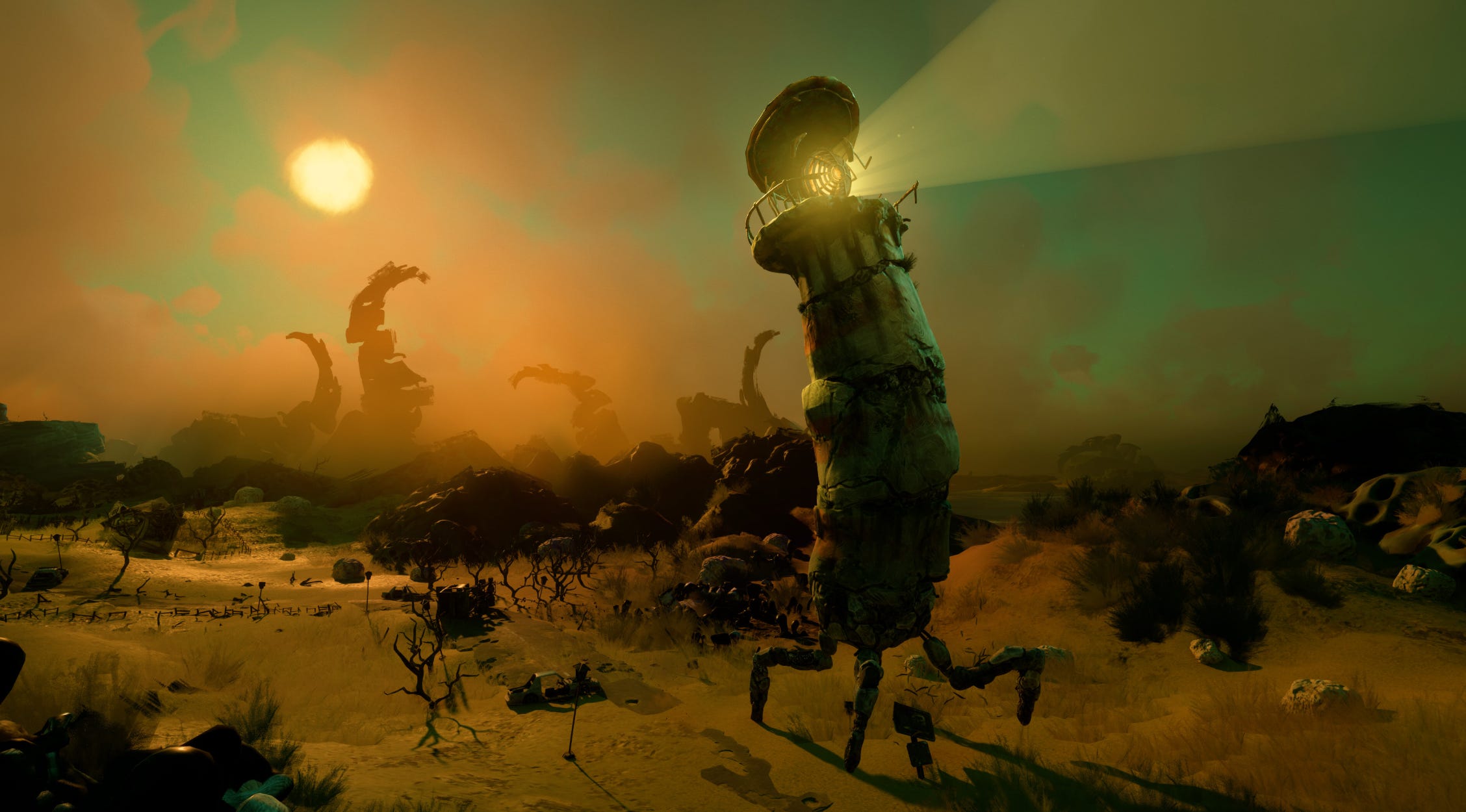
I wasn’t quite so convinced by Double Fine and Compulsion. They’re great studios, but I wasn’t sure why Xbox needed to own these teams when they could have just signed the games. Of course, buying things was all the rage at the time.
However, as the acquisitions went on, I found them harder to fully parse. In June 2019 and July 2020, I spoke to former Xbox boss Phil Spencer who, on both occasions, talked about the need for more diverse content. He wanted games that could appeal in China and India. He wanted a Japanese studio. He asked: “Are we just the shooter box? Is it Gears, Halo, Forza, Gears, Halo, Forza?”
But two months later, Xbox acquired Bethesda, which is a publisher that’s famous for RPGs and shooters. This didn’t feel like an additive acquisition. Xbox already made games like these. And now that it owns Elder Scrolls and Fallout, where does that leave Obsidian? Or InXile? Or the new Fable team it was building?
Activision Blizzard King made more sense, because King and Blizzard boosted Xbox’s presence on mobile and PC. But this was still primarily a Western-based maker of RPGs and shooters (albeit ones that do appeal more globally).
Much of what Xbox was buying was just supplanting what it already owned.
As we know, Game Pass never did go beyond the hardcore, and it seems unlikely it will (at least for a while). Xbox hasn’t been able to build a big platform on PC, and it’s not even tried on mobile. Meanwhile, game streaming remains a very small, albeit growing, part of the industry. As a result, Xbox’s margins are tiny. In the words of new CEO Asha Sharma, “it cannot continue”.
Xbox had invested a lot of money in a strategy that hasn’t worked. It’s fighting on too many fronts and has too many games in similar genres. It needs focus. And focus isn’t just about what you do, it’s what you don’t do.
There will be many opinions on whether Sharma is making the right choices. Some think Xbox should become a full third-party publisher, but I’m not convinced that will satisfy the Microsoft leadership.
My take is that focusing on the console, at least for now, makes sense given where Xbox’s strengths are. As Matthew Ball said to us last week: “Do we need to get better at PC? Yes. Do we need to get better at mobile? Yes. But we can’t ask publishers and players to bet on us on other platforms where we are behind, where our technology is inadequate, before we shore up the platform we have.”
I also think investing in the bigger franchises is the right call. Xbox should look at re-establishing Halo and Gears of War as marketing leading franchises. It should try again with Fable. It does have challenges to face around Call of Duty and World of Warcraft and Minecraft. It ought to get more out of Fallout and Elder Scrolls. And there’s opportunity, both inside and outside of games, for IP like Sea of Thieves, Grounded and Ori.
That’s a lot to focus on. So, where does Kiln or Pentiment or South of Midnight or The Outer Worlds fit with all that? There are many games like these coming from independent and third-party teams, does Xbox need to develop them internally?
I am not saying new IP isn’t important. In fact, it’s crucial. But what you want from Xbox is ambitious new IP that speaks to different people. Not similar games speaking to similar demographics.
This focus, this pivot back to console, will mean cuts. It will mean studio closures (or studio sales, which might prove challenging in the current climate). And there is anger about this. This is Xbox’s failure. The studios just did what was asked of them. And it’s a failure many in the industry saw coming.
In 2022, Phil Spencer spoke to the Washington Post, where he expressed concern about tech companies pushing into games. He said: “Nintendo’s not going to do anything that damages gaming in the long run because that’s the business they’re in. Sony is the same and I trust them. … Valve’s the same way.”
He was right to be concerned. Google, Amazon and Meta spent a lot of money, bought up a bunch of studios, and have all pulled away again. Games isn’t their primarily industry. It isn’t an ecosystem they would, or should, care much about. Spencer argued that Microsoft is different. And it is. It’s been part of this industry since the beginning. However, like those other tech giants, it’s also spent too much money on a plan that didn’t work, has had to reverse course, and is causing significant damage in the process.
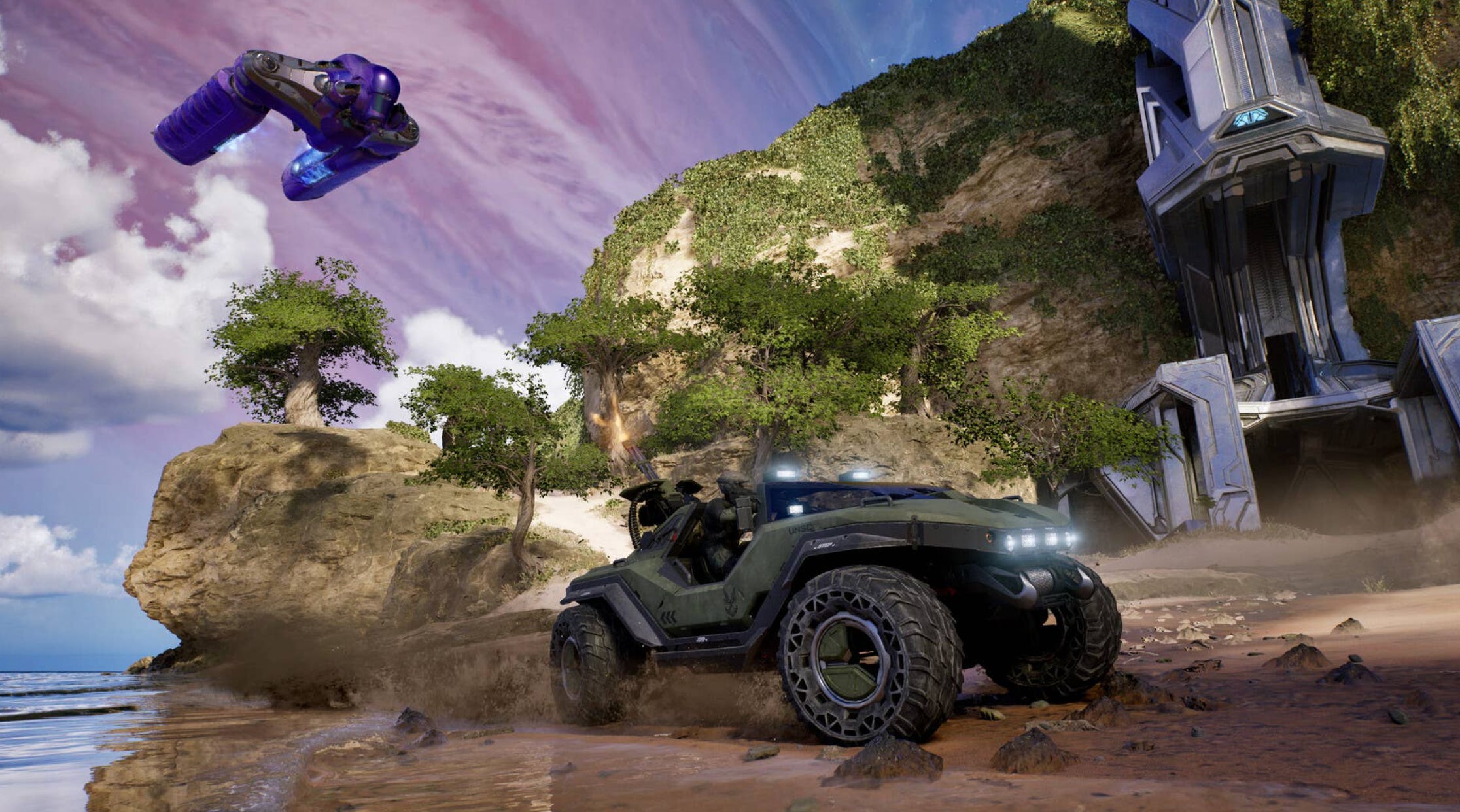
Sharma and some of her leadership team didn’t start this fire, but they are tasked with putting it out.
I hope the teams it chooses to drop can find a way to stay together. And for those that remain, I hope a more structured and focused organization takes its place. Perhaps Xbox could split the studios into disciplines. So, bring all the shooter teams under one division, the RPGs under another, family games under another… see if Call of Duty and Halo can support each other. See if Bethesda boss Todd Howard can support the launch of Fable. I am not sure how realistic that is, but it’s not too dissimilar to what Ubisoft is doing with its restructure. Or even how EA is set-up.
“I don’t believe this is the end of Xbox. In fact, I think this is part of that ‘return’ it keeps going on about”
There are a few out there sharing the words of former Xbox leader Seamus Blackley, who suggested Asha Sharma was tasked with being “a palliative care doctor who slides Xbox gently into the night.”
But I don’t believe this is the end of Xbox. In fact, I think this is part of that ‘return’ it keeps going on about. It’s just that return requires more than just a new logo and a couple of exclusive games. It’s also about admitting it got it wrong, shifting course and actually playing the market it is in today, and not just the one it expects to come in the future.
And ,unfortunately, doing that is going to cost a heavy price.
Summer Game Fest 2026 delivered 30% more website traffic than 2025
The Summer Game Fest period delivered a strong boost to online video games media.
Multiple publications, including VGC, RPG Site, plus large outlets who weren’t able to go on-the-record, said they saw a 30%+ improvement in traffic for the Summer Game Fest period compared with the year before.
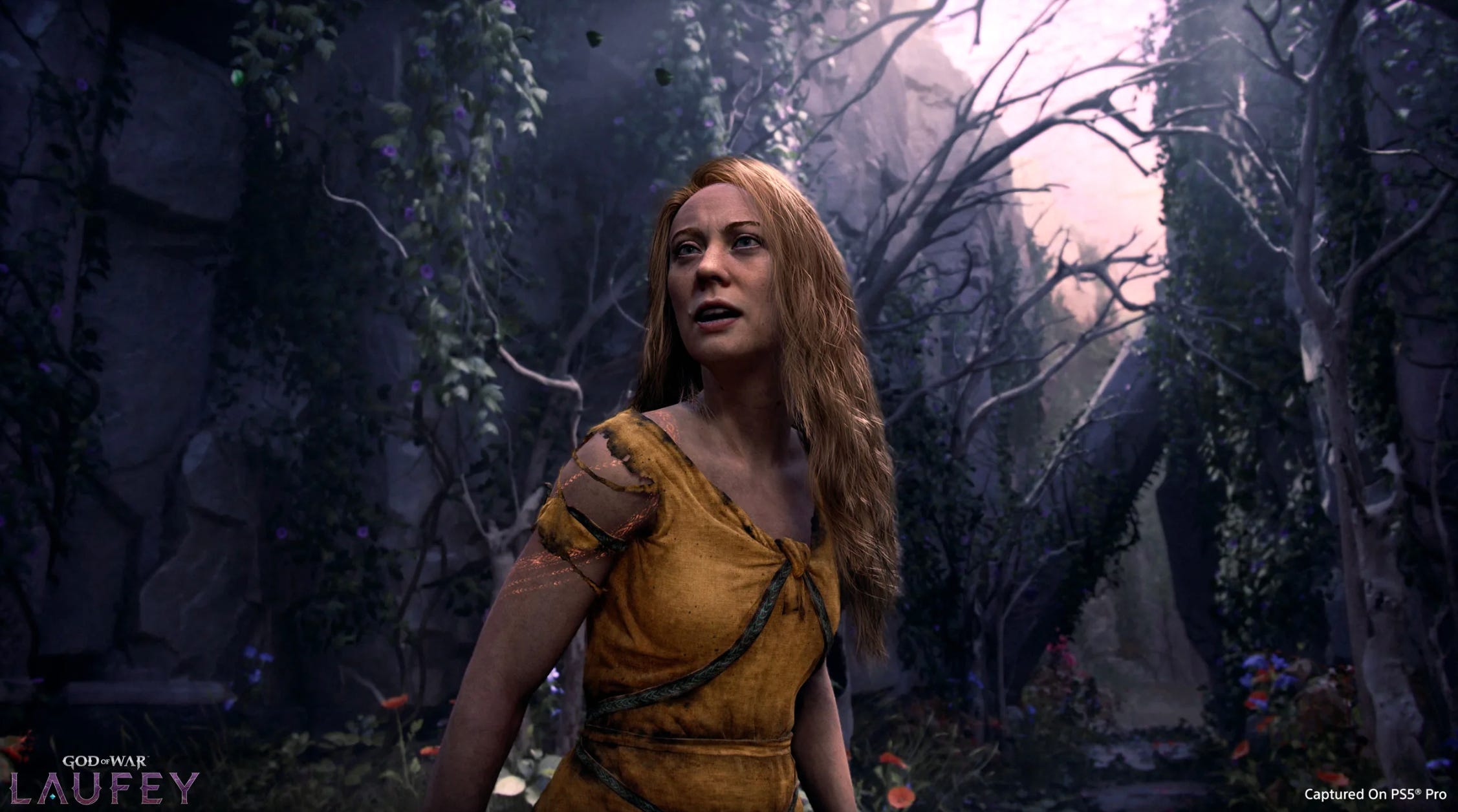
The results weren’t driven by any one announcement, either, with publishers citing the Zelda: Ocarina of Time remake, God of War Laufey, the Gears of War Xbox exclusivity announcement, Resident Evil Veronica, Kingdom Hearts 4 and even Spyro The Dragon as key traffic drivers.
“All the showcases delivered for us,” said one large media publisher. “It was clearly the strongest summer event since E3.”
Data specialist LevelUp tracked 168 game announcements during Summer Game Fest 2026, which was a 14% increase over the year before. This increase was boosted by the Nintendo Direct, which didn’t take place in 2025.
LevelUp said that for the two-week period between June 1 and June 14, there were 56,900 press articles written about those games, which represents a 15.2% increase on 2025. In terms of social posts, there was a 5.3% increase to 45,800. And in terms of social interactions, it was a big 57% jump to 17.4 million.
LevelUp tracked all references to the 168 games. Although for existing titles that had a new update announced, the firm only tracked references to that specific update (such as the new season for Street Fighter 6, or the DLC for Hitman).
George Corner joins The Game Business
We’re delighted to welcome George Corner to The Game Business as our new Commercial Director.
George just spent almost five years leading sales for GamesIndustry.biz. In his new role, he’ll be leading and delivering the strategy around sponsorships, subscriptions and some of our event partnerships, which include Summer Game Fest, GDC and Gamescom.
He can be found at george@thegamebusiness.com.
Meanwhile…
Electronic Arts is launching EA Advertising, a new platform that allows brands to market directly to consumers via gameplay. This includes branded content, ads in digital billboards and overlays, and more involved partnerships. For example, Mountain Dew has its own playable team in EA Sports College Football 25 with a custom stadium, mascot and reward ecosystem.
Epic Games offered more details about Unreal Engine 6. The new engine will enable developers to make games of any size and be able to easily release them via traditional platforms, Fortnite, or their own ecosystems. It will move to the Verse gameplay programming model and incorporate AI models such as Clause and Gemini.
Xbox has announced its presence at Gamescom 2026, including the chance to play the new Gears of War: E-Day. Meanwhile, Gamescom Dev has announced that Amir Satvat, Tencent business development director and the founder of the industry career support network ASGC, will be its keynote speaker.
The UK Government will ban social media for under 16s in Spring 2027. Platforms facing the ban included X, TikTok, YouTube, Snapchat, Instagram and Facebook, and could encompass the likes of Twitch. But video games are seen as distinct from this, a decision that was well received by UK trade body UKIE.
Focus Entertainment has signed Bradley the Badger, the new IP from Day 4 Night. The studio was formed by the creators of Ubisoft’s Mario + Rabbids games.
Liz Prince, the head of UK recruitment specialist Amiqus, has been awarded an MBE in the King’s Birthday Honours list for services to the Games Industry and Diversity.
Treyarch studio head Mark Gordon is stepping down from his role, after 22 years at the developer.
That’s it for us today. We’ll be back next week with our big interview with EA’s Laura Miele. Until then, thank you for reading.


