


Listen now on Apple, Spotify or YouTube
In This Edition, Matthew Ball on…
- The return to exclusives
- The DRAM crisis
- In-game advertising
- Future of consoles
- Plus! Streaming, his famous reports and Asha Sharma
Xbox love to talk about Asha Sharma’s first 100 days.
It’s a concept I typically associate with a new Government, and not for the boss of a video game company. But in some ways, it is fitting. Like a new Government, Sharma has come in and immediately made some fast decisions. She’s changed the name of the division, reduced the price of Game Pass, and brought back exclusive games. All things that can be done quickly with the approval of Microsoft’s CFO.
However, unlike a new Government, Sharma hasn’t quite condemned the former regime. In fact, she’s promoted some of the old guard. But there has been some implied criticism. The whole ‘return of Xbox’ suggests it had lost its way. And in her message to staff yesterday, she discussed the performance of the company over the past five years:
“Excluding Activision Blizzard King, over the past five years, we have spent over $20 billion on ongoing investments in our content, platform, and hardware subsidy, but our annual revenue has declined nearly half a billion during that time. Going forward, this cannot continue.”
That message laid out the next 100 days, which will be considerably tougher than the first. The startling figure is that Xbox will end the financial year with a 3% accountability margin. That’s truly troubling, and a complete rethink of Xbox is taking place, from hardware to software development and everything in-between.

Xbox is going to invest more in its big IP and bets, and cut back on its more niche productions. It makes sense, but some of its smaller teams will be justifiably concerned. There will also be a rethink around Project Helix in the face of the current component price crisis. It’s inevitable the organization will need to be smaller.
It sounds bleak, but Chief Strategy Officer Matthew Ball told us this week that these challenges can be overcome.
“When I sat down with Asha for the first time, she asked me: “Is it fixable?” I’m a strategic optimist. I think it is incredibly defeatist to think that there’s any scenario that you can’t do better, that you can’t improve. How hard is it? Different question. What’s it going to take? Different question. How long is it going to take? Those are all different questions, but I am a strategic optimist. I joined because what she told me she wanted to achieve, I believed was right and achievable.”
Today’s edition of The Game Business Show was recorded on-stage at The Game Business Live on Monday, June 8. It is with Matthew Ball, and we discuss exclusives, the future of consoles, China, in-game advertising, streaming and more.
You can watch or listen to the conversation above. Or check out our edited transcript below.
Sponsored Message
God of War, Zelda and Resident Evil conquer Summer Game Fest

God of War Laufay, The Legend of Zelda: Ocarina of Time remake, Resident Evil Veronica, Marvel’s Wolverine and Gears of War: E-Day were the most covered, watched and discussed video games of Summer Game Fest 2026.
The data is courtesy of LevelUp. Every year, Summer Game Fest floods the internet with trailers, streams, creator reactions and community debates — all happening simultaneously, across dozens of platforms, in every language.
For game marketers, keeping up with that volume manually is a losing game. LevelUp was built for exactly this!
Trusted by the world’s leading game publishers, LevelUp tracks VOD views, streaming performance, press coverage, creators and community sentiment in one place — across 30+ social platforms globally, with no setup required. Track coverage, benchmark competitors, discover creators. One platform, every use case.
Reach out for a full demo.
Xbox promises to be clear on exclusivity… eventually
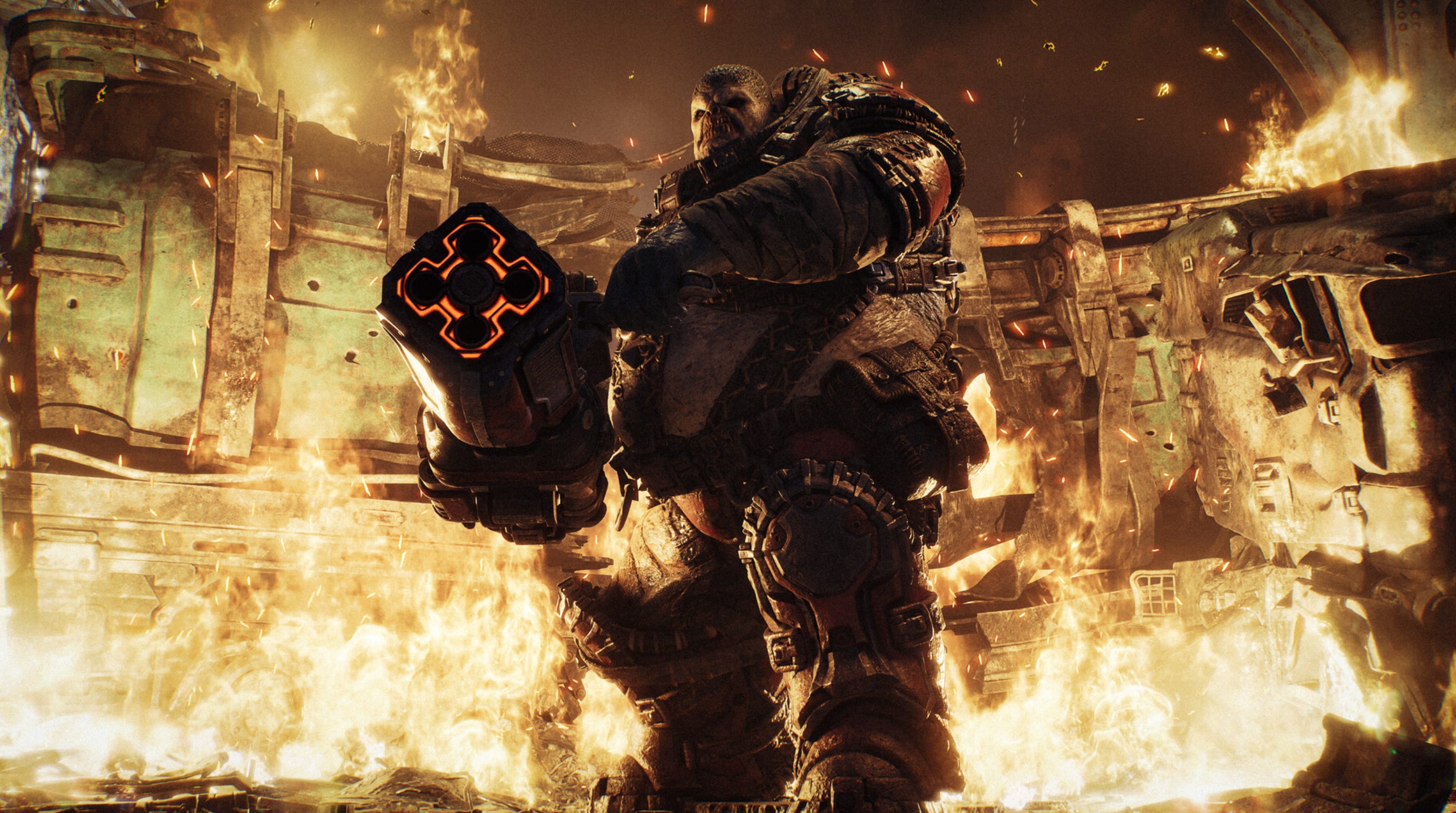
Matthew Ball says that Xbox “absolutely” believes it will increase its market share by not releasing games like Gears of War: E-Day and Clockwork Revolution on PS5. And that it was important to announce two console-exclusive games to show this isn’t some short-term experiment.
“It was important for us to include two titles so that people understood this was not a one-off,” Ball stated. “This is the start of a program, and players can expect a reliable pipeline that validates their historical investment in the Xbox platform, keeps them as Xbox players going forward, and everyone in the industry understands that exclusives are important to the growth and branding of that platform.”
Ball reiterates that the big live service games like Call of Duty will remain multiplatform, and that there are some games with previous commitments that will continue to come to PlayStation. He said that it will become clear which games will be console exclusive, and which games won’t be, but not today. For instance, I asked Ball why the upcoming Clockwork Revolution is exclusive but not the newly announced Senua, and he wouldn’t provide any further comment.
“Asha has been clear that our business today is not healthy,” Ball said. “Every day we are going to come more and more outwards about what we’re doing, why we’re doing it. Today I can’t give you a more comprehensive answer of ‘here are all of the titles that players can expect that are going to be exclusive’. We know what those are going to be. We know how we’re going to make those decisions. We know how we’re going to be evaluated against those decisions. But what’s important there is that framework has to be external eventually. I understand why [people] are saying we still don’t quite get it. We have to communicate that internally. We have to communicate that to our partners. And most of all, the average current Xbox player, and the player that we want but don’t have, has to understand it very simply. That’s where we’re going. We’re just not ready to do it yet.”
It’s not all about increasing market share, however. Ball said it’s also about the existing Xbox player base.
“It has become difficult to articulate why you should pick an Xbox console. Exclusives are an important way to do that. This is why you’ll have seen such a quick shift to exclusives. We need to ask people to spend a lot of money today to become an Xbox player. That is a real ask. It’s expensive. It comes at the exclusion of other things. We have an obligation to work harder and more clearly to explain why you should be an Xbox player. Separate from that fact, those people that we asked to buy a console years ago, we still have an obligation to them to meet their expectations and to have them feel rewarded for which platform they chose.
“The more and more success we have in that offering, allows us to then invest across the rest of the ecosystem.”
Xbox studios are behind the exclusivity plans
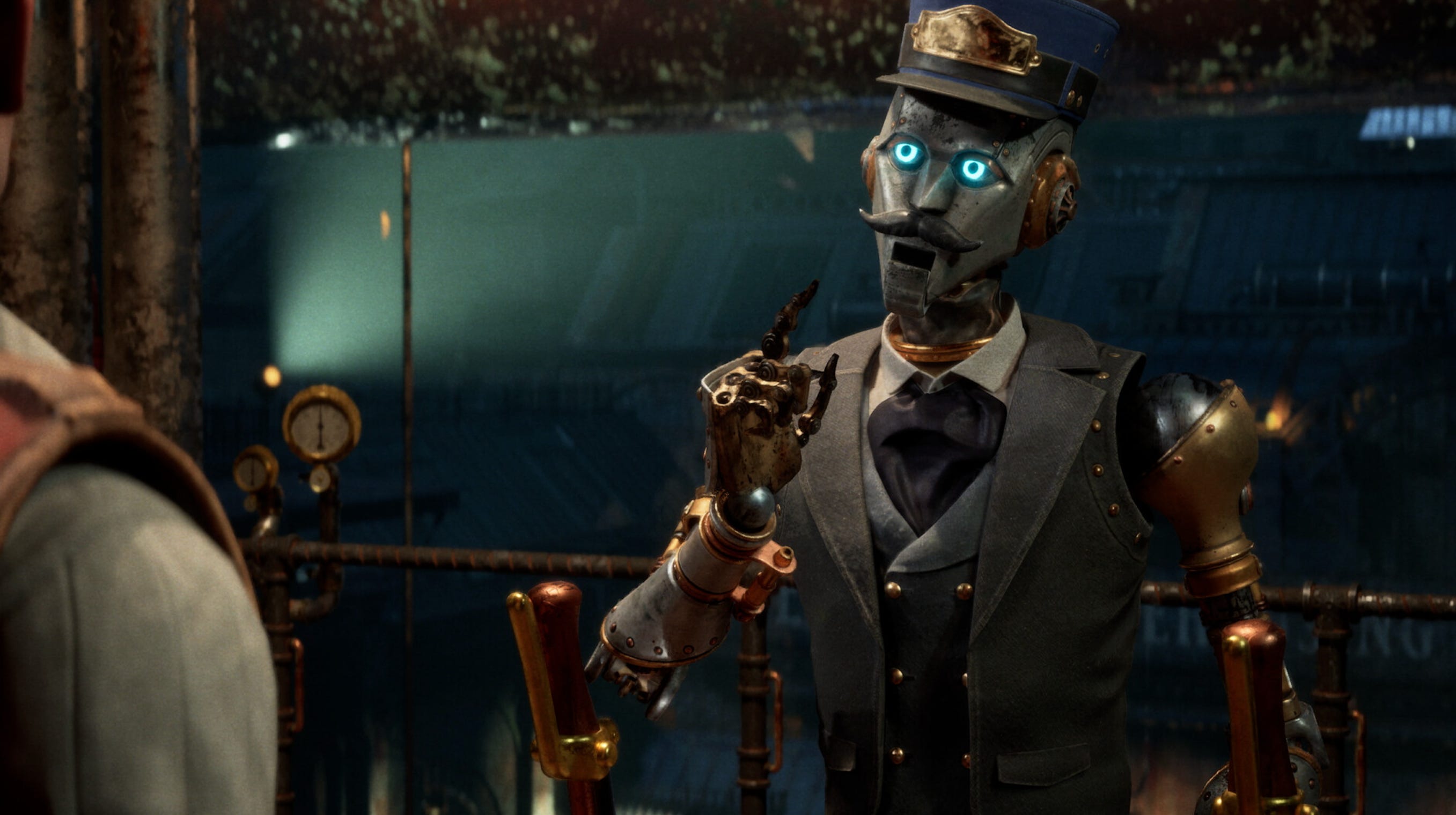
By going console exclusive, Gears of War and Clockwork Revolution should expect to sell fewer games. And this is particularly true in places like Europe and Japan, where Xbox has a relatively small presence.
“In every single one of those markets, PC tends to be the most popular gaming platform, at least for the titles that we’re talking about,” Ball answered.
“Windows is already where the world plays, and that’s a very important slogan to the company. We strongly encourage all players who want to play those titles to do so in those markets.
“We are trying to build a healthier business overall. In the short term, yes, there are going to be titles that are probably going to sell fewer units. That’s an investment we are making. That’s a decision that our studios are behind because they all believe this puts us on a path to your question, which is: Can we take market share? Can we grow? Can we be stronger? I believe the answer to all three of those questions is ‘yes’, and that will hold none of our franchises back over time.”
The console RAM crisis could last 2.5 years
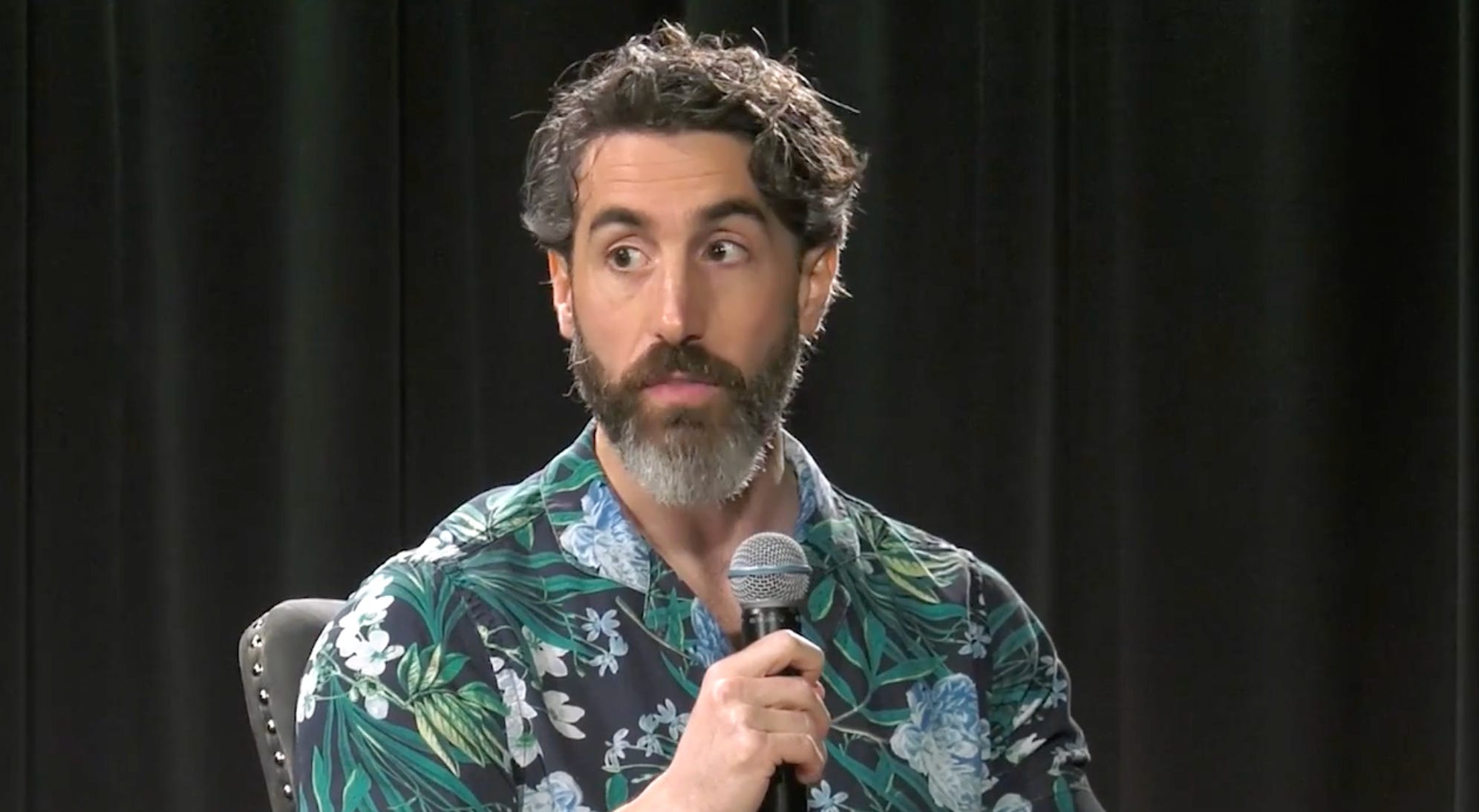
One of the more sobering conversations in our interview was around the rising costs of making consoles. We spoke to Ball earlier in the year, when he wasn’t part of Xbox, and he said he was ‘pretty frightened’ by the RAM and storage crisis. Is he still frightened?
“More so. At the time [of the interview], there was a lot of, ‘Ball is being histrionic,’ on Twitter. However, six months later, I was underestimating how bad it is. Every single person in the industry is frustrated by that. It is bad for players. It is bad for the platforms. Our obligation to our publishers is to grow that base so that they can help grow their business at a time in which everyone is struggling for growth.
“The crisis is the right term. The crisis is not yet getting better. The window in which we and others are going to have to work through is getting longer, and that is going to constrain the category.”
The undersupply is estimated to be about 30 to 40% less next year, Ball added. “The Chinese ecosystem is rapidly onboarding production capacity, but we are still at a point in time in which a lot of work needs to be done to meet that.”
It will certainly impact the next generation of consoles, he added.
“We are working very hard to rethink everything that we can about [new console] Helix, and we are very cognizant of the ways in which we need to change as a company to make sure it is affordable, to make sure that it is flexible,” he said.
“We are working hard to rethink what that console model can look like, not in an exclusionary way, but in an additive way. [This crisis] may have acute effects for two to two and a half years, beyond that it’s hard to speculate, but the cascade and ripple will endure.”
The console market is not dying
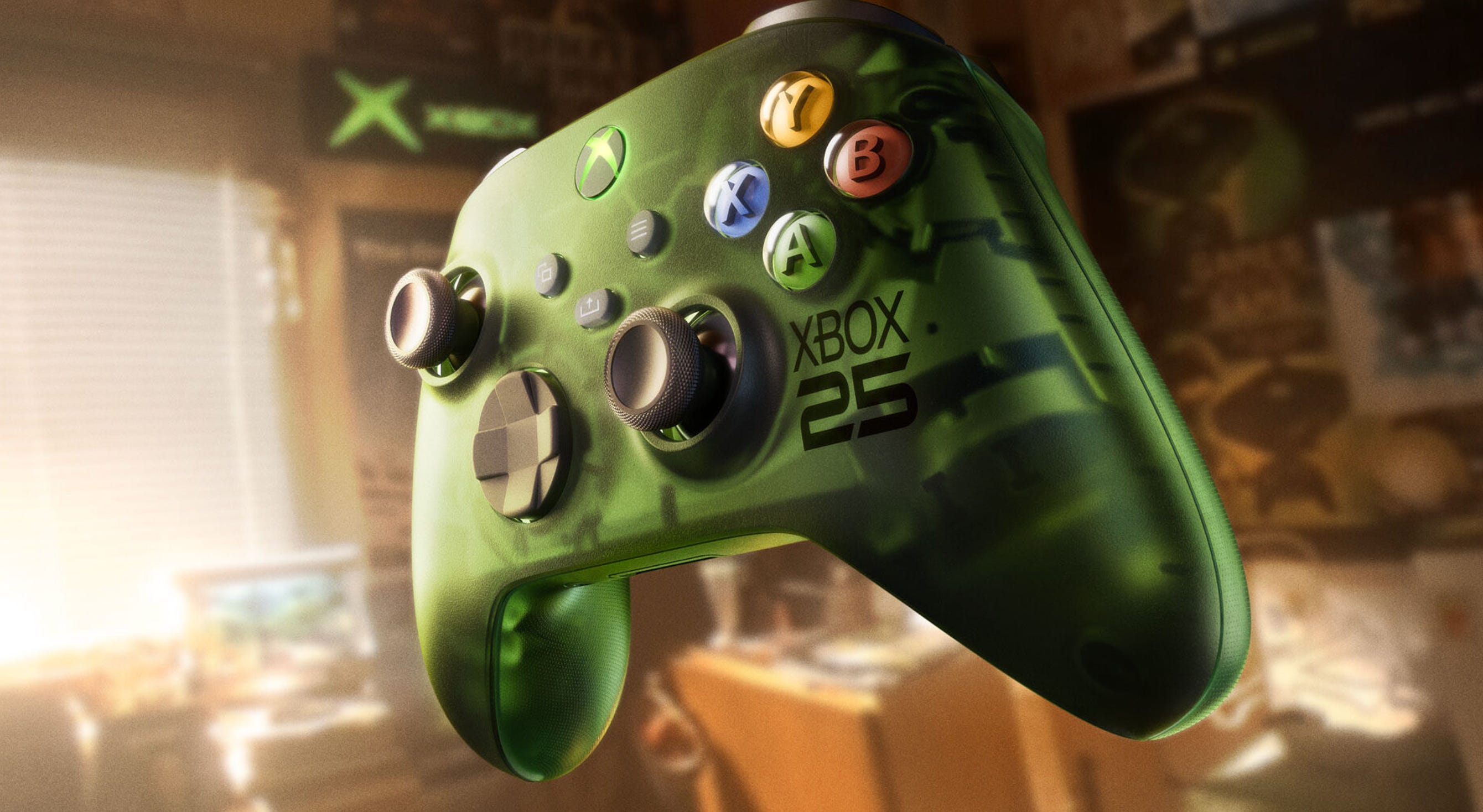
“The reality is most players and revenue is on mobile,” Ball told us. “Second to that, we have the most hours and the most players on PC… but less revenue than on console. Console is a $40 to $45 billion business. Is it growing as fast as PC or mobile? No. Are there as many hours? No. Is my bet that that platform is substantially larger tomorrow or in 2028/2029 than it is today? No. But we are still talking about hundreds of millions of players who spend $40-plus billion per year in a category that they love, that I love.
“We have no desire to move away from the console business. And dying? No. It’s not declining. It is growing. It’s going to have a great year this year. What is important is that we restore that business for us. Do we need to get better at PC? Yes. Do we need to get better at mobile? Yes. But we can’t ask publishers and players to bet on us on other platforms where we are behind, where our technology is inadequate, before we shore up the platform we have, the platform that many believe we’ve mistreated.”
But what about the Roblox generation? Are they graduating to console?
“We see it all the time,” Ball answered. “There are lots of young people adopting consoles. Do we see the same rate of young people adopting consoles that they did historically? I haven’t seen in mature markets evidence that has dramatically changed.”
He adds that with the explosive growth in young people playing games, even if the share of them adopting consoles goes down, “the gross amount is still likely to go up”.
“There is, without question, a great future when you say a record number of people are playing games, and they’re usually doing that together. Where are they going to go as a platform? I’m not sure. What I can say is those titles like Roblox, incredibly popular on our console, and most of the creation and many of the players are happening on PC.”
He still believes advertising will be a big opportunity for PC and console games
When I last spoke to Ball, he brought up the prospect of in-game advertising being a big opportunity for game companies. Specifically, he talked about ads in pause menus and loading screens within sports titles, such as NBA 2K.
I put that suggestion to Take-Two CEO Strauss Zelnick, who felt that putting ads in a premium game would be “unfair” to players.
But Ball still believes it’s an area that has potential.
“There is a two-sided problem,” he says. “The costs have gone up way too high on development, and at the same point, everyone feels terrible with prices going up on hardware or software or microtransactions. That is a challenge. It’s not good if that is the only option. I think the best evidence comes from the [TV] streaming space. In excess of 100% of net adds in the United States for years and years have been on the ad-supported tier. That has not excluded anyone from ad-free experiences. Those products are still there. They’re still popular. The question is not can we cram ads in everything. The question is, are there opportunities that allow the people who can’t afford, or wouldn’t try, to have an onboard to our properties and franchises?
“I don’t have anything to report on Microsoft’s plans. I’ve frankly not read into them despite my interest in the category. But it is coming from that perspective of how do we reach more people? How do we keep our products affordable? How do we make sure that we can continue to fund outstanding work from our development teams? That’s the goal. It’s not about placing an ad in front of someone so that we can sell, you know, a pizza.”
The famous Matthew Ball reports are not dead
Matthew Ball is famous for his State of Video Gaming reports. So, I had to ask, now he’s an employee of Xbox, does that mean an end to them?
“I would tend to think that if it comes out again, it would be shorter, but knowing me, it probably still won’t be,” Ball laughs. “I hope to publish more. It’s important for us as a company, especially during this hardship, that we communicate what we’re doing and why. In some instances, that’s just being honest about it. In other instances, it’s about revealing some of the details that you usually don’t disclose. We’re going to start doing that more and more.
“Right now, I can’t tell you what I would write even if I wanted to, but we’ll see.”
If Xbox can turn things around, the whole industry can
“If we can turn this company around and grow it, then the rest of the industry can in aggregate, too,” Ball concluded.
“Yes, I wrote [in my report] there are fewer people playing in the US now than five years ago. There are fewer people in the UK playing now than three years ago. At the same time, globally, there’s never been more players. There’s never been more player hours. There’s never been more revenue. Last year was a great year. We know that this year is trending really well. And even when you take a look at that overall picture, the ESA came out and said that we had a three-percentage point increase in the share of the US population that started playing games in 2026 that wasn’t in 2025.
“At the macro scale, we see a healthier than ever industry. You can find challenges. At the national scale, we see that players will come back when there’s a great slate. And I believe deeply that [Xbox is] capable of turning it around, and we have started. All of that is reason for optimism. Every single company in the industry is going through that same thing. It takes a little bit of time, but most of the people that I talk to ask the same questions: Where do you see the most opportunity? What I don’t hear is, ‘how do we retreat?’ And that’s a good disposition, and again, that gives broader optimism.”
That’s it for today’s edition of The Game Business Show. More from The Game Business Live, including interviews with EA’s Laura Miele and games legend Jason Rubin, will be going live in the coming weeks. Until then, thank you for reading.


